Nature’s Grand Journeys: The Animal Kingdom’s Biggest Migrations
Hey there, awesome parents and curious kids! Have you ever packed your bags for a big trip, maybe to visit grandma or go on vacation? Now imagine traveling thousands of miles, sometimes across oceans or entire continents, just to find food or a safe place to raise your babies!
That’s exactly what some of Earth’s most amazing animals do every year.
Welcome to the Quietly Clever Knowledge Portal, where we explore the wonders of the natural world! Today, we’re diving into one of the most jaw-dropping phenomena in nature: animal migrations — the longest, most epic journeys on the planet.
What Is Migration, Anyway?
Migration is the large-scale movement of animals from one location to another, usually on a seasonal basis. Think of it as a really long round trip that animals take every year, but they’re not just wandering. They have a purpose: animals follow predictable patterns to find food, avoid harsh climates, and reproduce in safer environments. These trips often follow ancient routes passed down through generations.
Some animals use visual landmarks, the position of the sun and stars, or Earth’s magnetic field as navigation tools. Many also rely on genetic programming or learned behavior to know where and when to move.
1. The Great Migration – Wildebeest, Zebras, and Gazelles
Location: Serengeti-Mara ecosystem, Tanzania & Kenya Distance: Approx. 500–800 km round trip annually Species: ~1.5 million wildebeest, 200,000 zebras, 500,000 gazelles
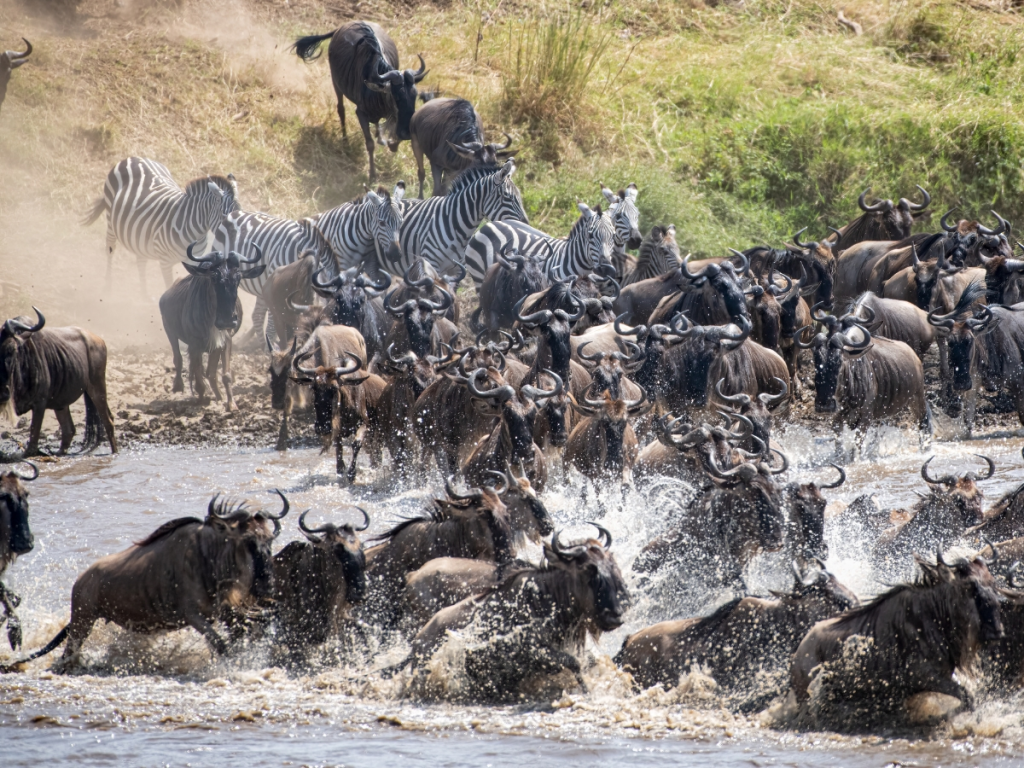
This is Earth’s largest land mammal migration. Wildebeest, zebras, and gazelles move in a massive loop each year, following rainfall patterns that create fresh grazing lands.
Their route takes them through grasslands, rivers (like the deadly Grumeti and Mara Rivers), and predator territory. Timing is crucial — calves are often born in the southern Serengeti between January and March, with predators like lions and hyenas in close pursuit.
Did You Know? Wildebeest have an incredible sense of smell and can detect rain from over 50 kilometers away!
2. Monarch Butterflies – Tiny Travelers with a Huge Journey
Location: North America to Central Mexico (and California) Distance: Up to 4,800 km (3,000 miles) one way Generational Journey: Takes 3–4 generations to complete round trip
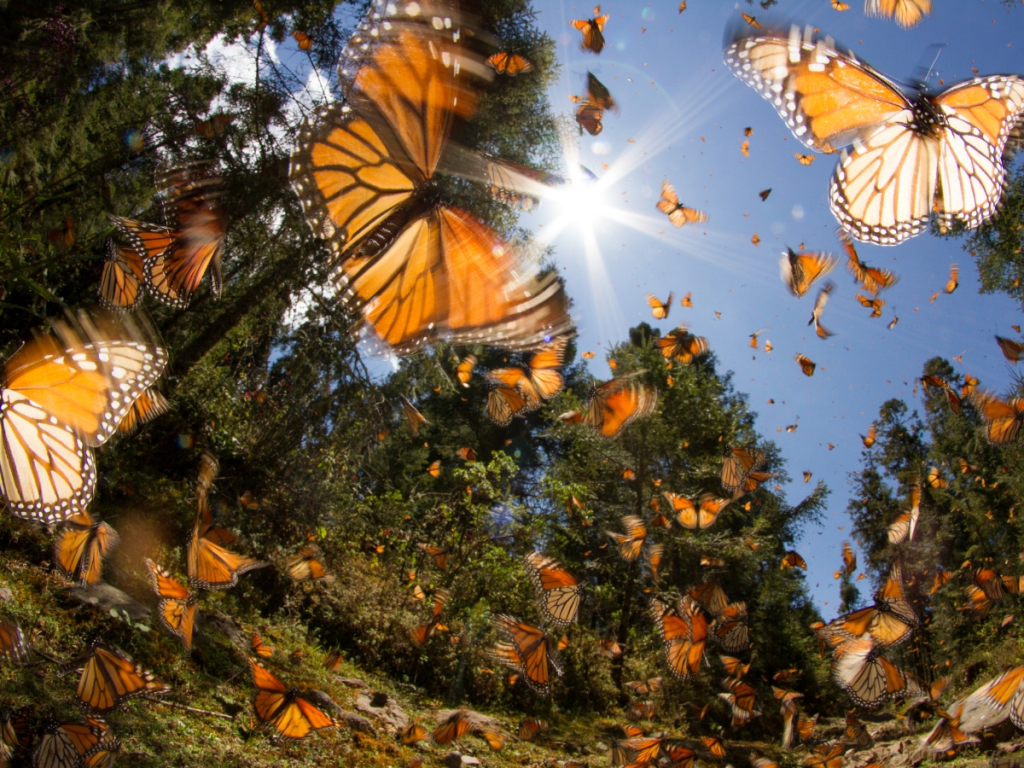
Monarch butterflies migrate from Canada and the northern U.S. to the oyamel fir forests in Mexico. No single butterfly completes the entire round trip. Instead, the generation that flies south lives up to 8 months (called the “Methuselah generation”), while the return north is completed in stages by their descendants.
They navigate using the sun’s position and a magnetic compass in their antennae. These forests provide just the right microclimate for survival during the winter.
Did You Know? Monarchs cluster by the millions on trees in Mexico, forming what looks like living blankets of orange and black.
3. Humpback Whales – Singing Across Oceans
Location: Polar feeding grounds to tropical breeding grounds (global) Distance: Up to 8,000 km (5,000 miles) each way Timing: Migrate annually between summer and winter
Humpbacks feed in cold, nutrient-rich waters like those near Alaska or Antarctica during summer, gorging on krill and small fish. In winter, they migrate to warm equatorial waters (like Hawaii or the coasts of Central America and East Africa) to breed and give birth.
They don’t eat much during migration or in breeding grounds, relying on fat reserves. Their haunting songs, especially among males, may help with mating or navigation.
Did You Know? Humpback whale songs can travel over 30 km (20 miles) through the ocean.
4. Arctic Terns – The Ultimate Long-Distance Fliers
Location: Arctic to Antarctic and back Distance: Up to 80,000 km (49,700 miles) annually – the longest migration on Earth
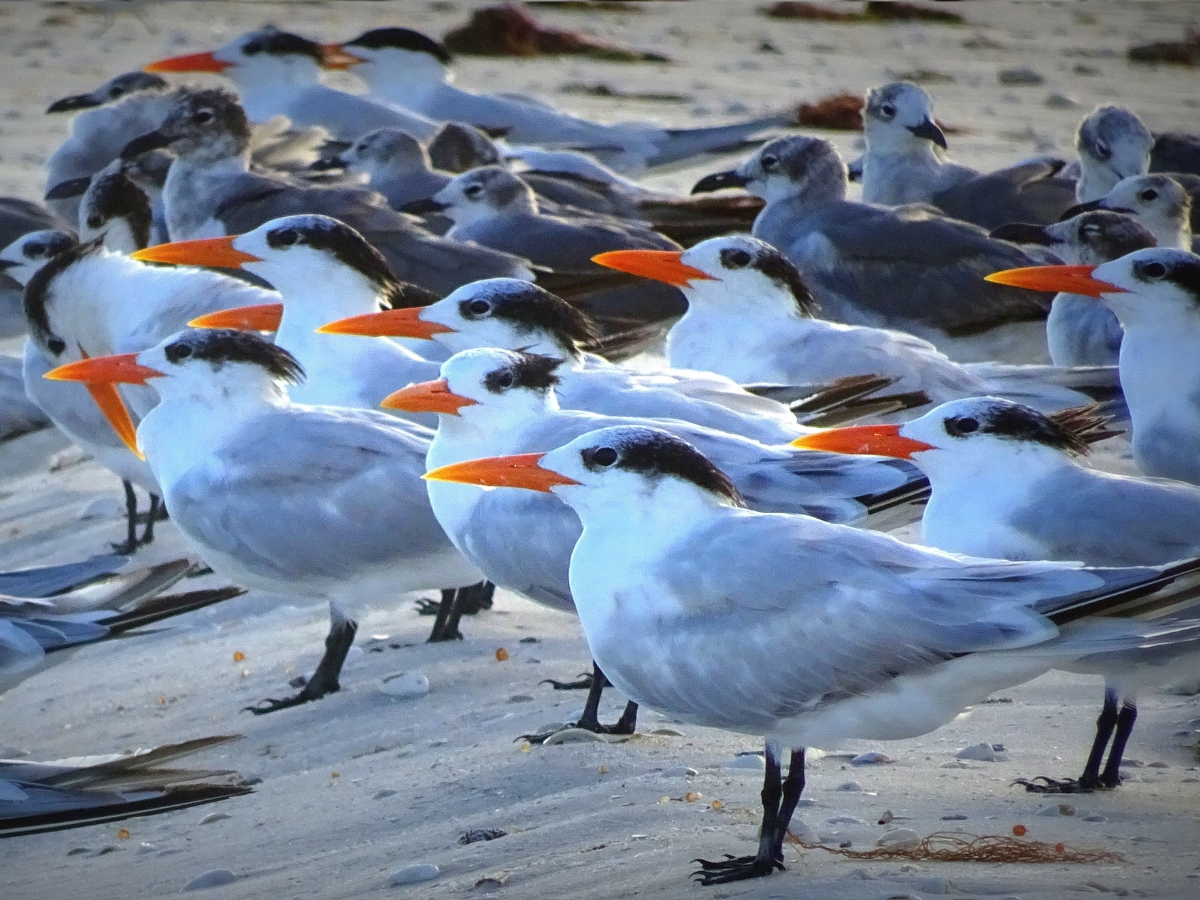
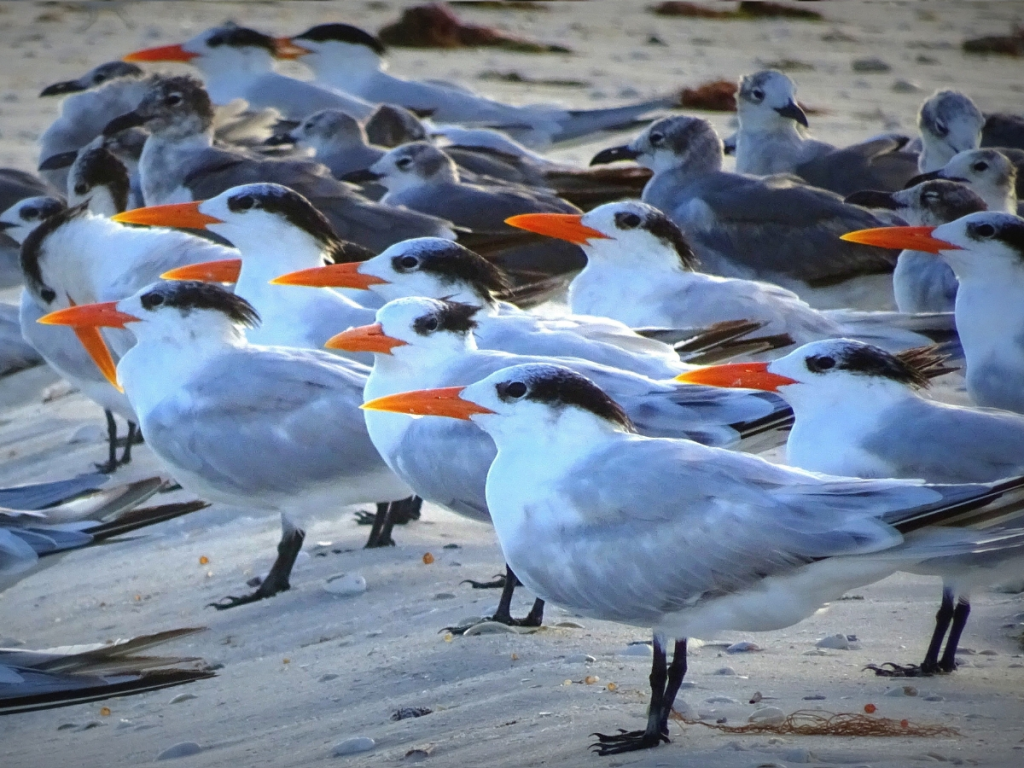
These small seabirds see more daylight than any other creature on Earth. Arctic terns travel from their Arctic breeding grounds to Antarctic waters for the southern summer, then return north, experiencing two summers per year.
They use global wind patterns and celestial navigation, and often take a curved path rather than a direct line to take advantage of favorable conditions.
Did You Know? By the end of its lifetime (up to 30 years), one Arctic tern may fly over 2.4 million kilometers, the equivalent of three round trips to the Moon.
Why Migrations Matter
Animal migrations are not just amazing displays of endurance and instinct. They are essential for:
Reproduction and survival – animals migrate to give birth in safer environments.
Resource balance – migration prevents overgrazing or depletion in one area.
Ecosystem health – moving species help distribute nutrients and pollens.
Biodiversity and genetic flow – mixing populations helps species thrive.
Sadly, many migrations are under threat due to habitat loss, climate change, and human-made barriers like fences or ships.
🔍 Keep Exploring!
The world of animal migration is a story of resilience, adaptation, and natural wonder. Whether it’s a butterfly crossing a continent, a whale singing across an ocean, or a bird chasing summer year-round, these grand journeys connect life across the globe.
And if you think migration is wild, wait until you meet the animals with the world’s most powerful bites — from mighty hippopotamus to skull-piercing hunting specialist – Jaguar! Read our full story on jaw-dropping animal bites here.
✨ Want more clever discoveries like this? Join us in the clever list and keep curiosity alive!
To provide the best experiences, we use technologies like cookies to store and/or access device information. Consenting to these technologies will allow us to process data such as browsing behavior or unique IDs on this site. Not consenting or withdrawing consent, may adversely affect certain features and functions.
Functional
Always active
The technical storage or access is strictly necessary for the legitimate purpose of enabling the use of a specific service explicitly requested by the subscriber or user, or for the sole purpose of carrying out the transmission of a communication over an electronic communications network.
Preferences
The technical storage or access is necessary for the legitimate purpose of storing preferences that are not requested by the subscriber or user.
Statistics
The technical storage or access that is used exclusively for statistical purposes.The technical storage or access that is used exclusively for anonymous statistical purposes. Without a subpoena, voluntary compliance on the part of your Internet Service Provider, or additional records from a third party, information stored or retrieved for this purpose alone cannot usually be used to identify you.
Marketing
The technical storage or access is required to create user profiles to send advertising, or to track the user on a website or across several websites for similar marketing purposes.