Why Did Ancient Egyptians Wear Eyeliner?
Read More
4 mins read
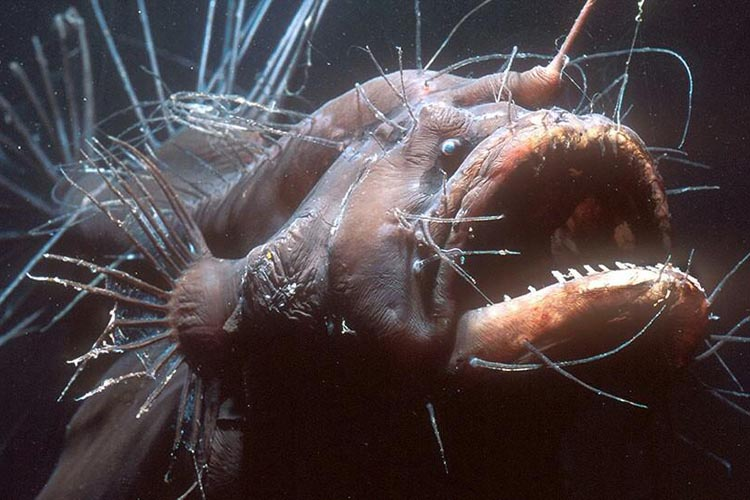
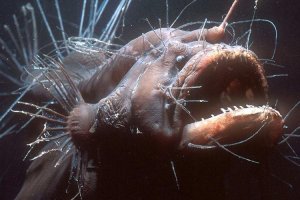
This deep‑sea creature looks like something from a horror movie: a huge mouth filled with sharp teeth, a glowing lure dangling from its head, and a body built to survive in the darkest parts of the ocean.
But here’s something even stranger than how it looks — the way anglerfish reproduce is one of the most extreme and fascinating behaviors in the entire animal kingdom.
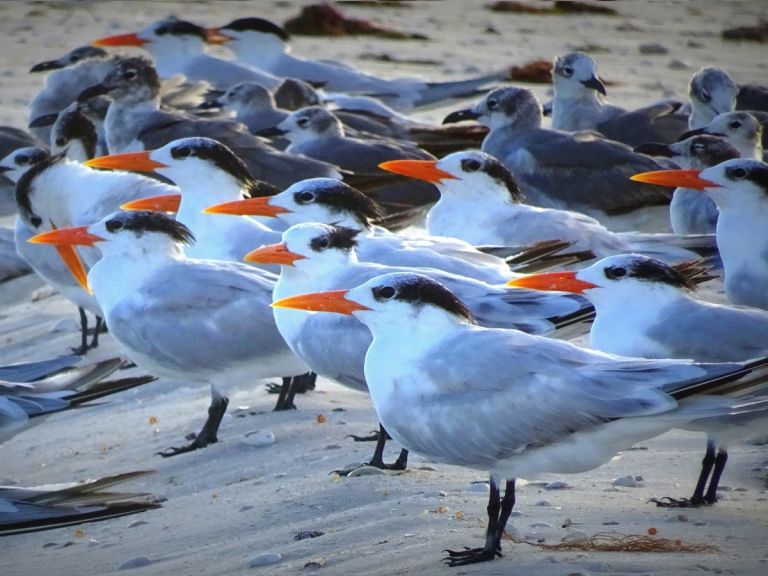
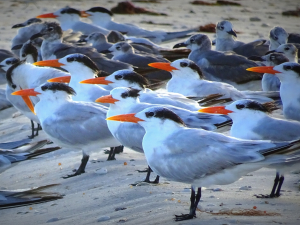
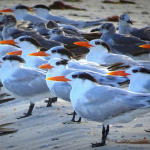
These small seabirds see more daylight than any other creature on Earth. Arctic terns travel from their Arctic breeding grounds to Antarctic waters for the southern summer, then return north, experiencing two summers per year.
They use global wind patterns and celestial navigation, and often take a curved path rather than a direct line to take advantage of favorable conditions.
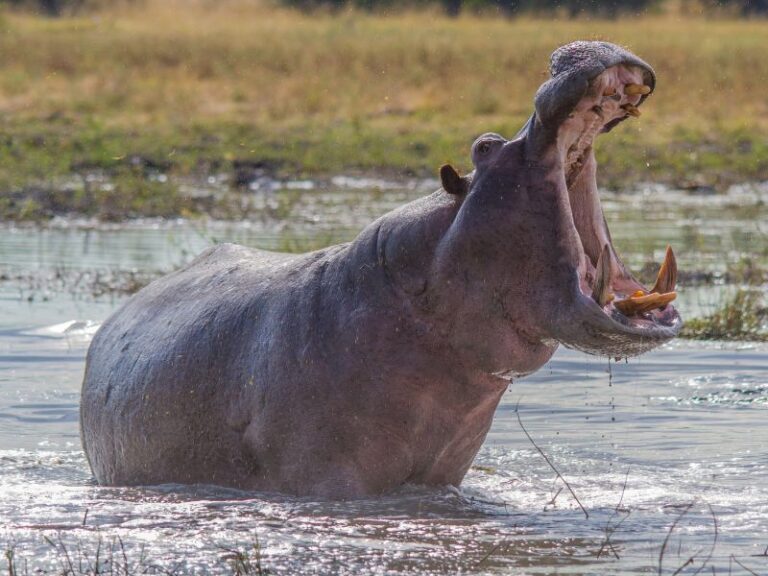
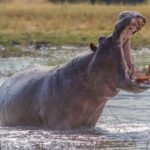
Have you ever wondered what makes an animal’s bite so incredibly strong? Is it just big muscles, or is there something more clever going on? While we often imagine the mighty crocodile as the king of the chomp, the animal kingdom is bursting with fascinating creatures whose jaws pack a surprising punch, each evolved with incredible precision for their unique survival story.
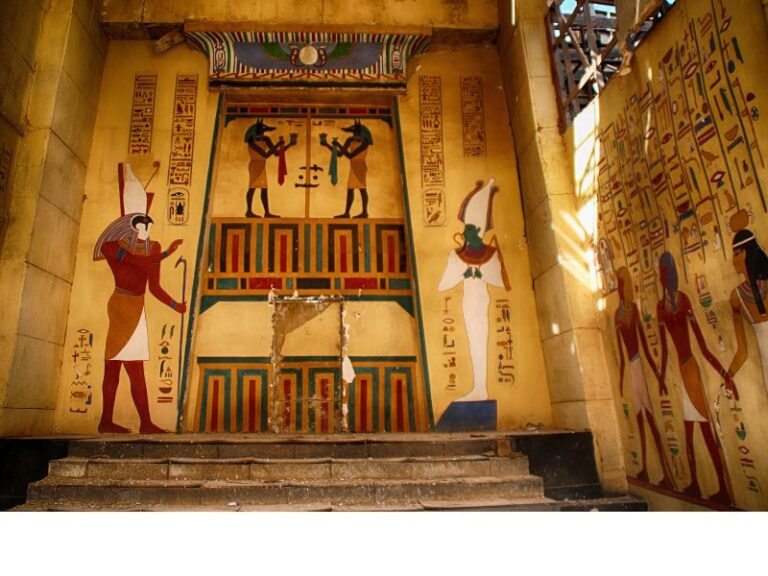
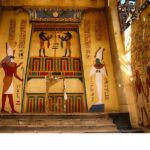
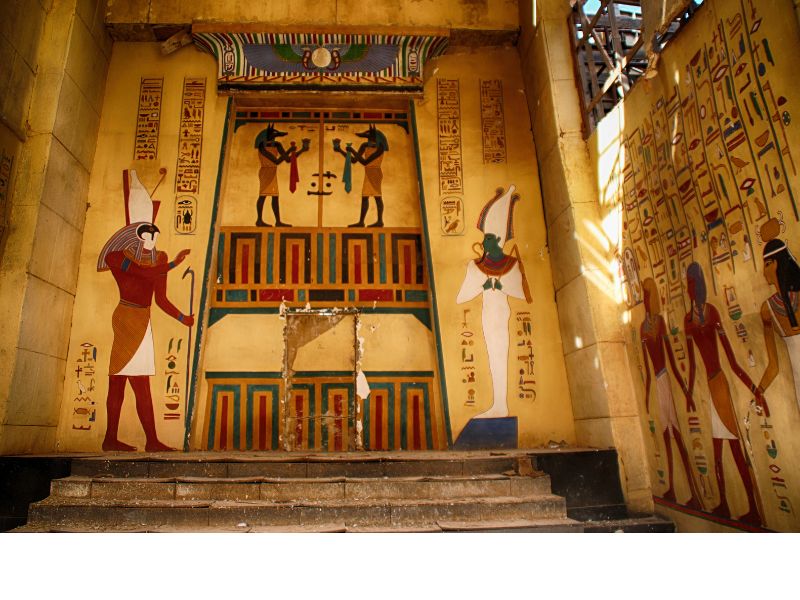
When you think of ancient Egypt, you might picture golden pyramids, sun-soaked deserts, and gods with animal heads. But you’ll also notice something else in almost every painting and statue: Those bold, dramatic eyes. Thick black lines. Perfect wings. A stare that seems to glow.
So what was going on with all that eyeliner?
Was it just a fashion statement — or something more?
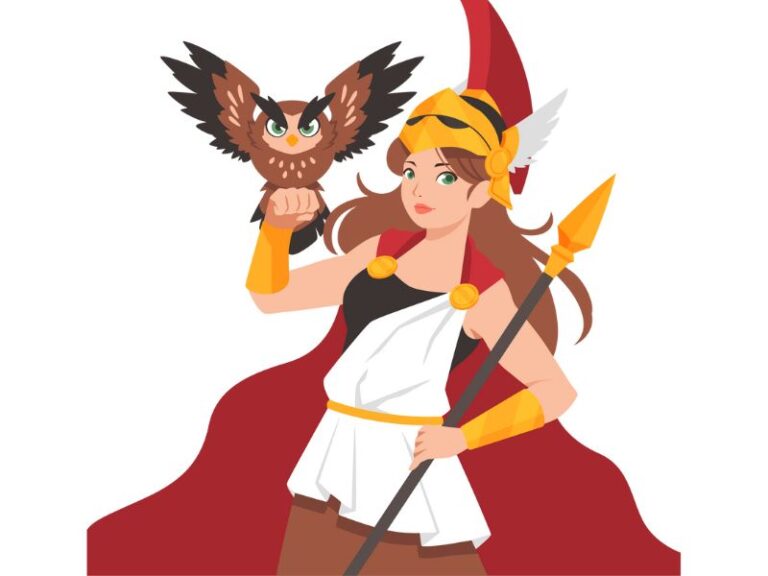
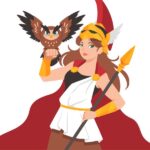
Athena didn’t have a normal birth. She wasn’t born like a regular baby. She didn’t crawl or cry or nap in a golden cradle.
Instead, she burst out of Zeus’s forehead — fully grown and dressed for battle.
How is that even possible?
You’re brushing your teeth, getting ready for bed.
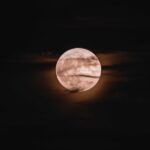
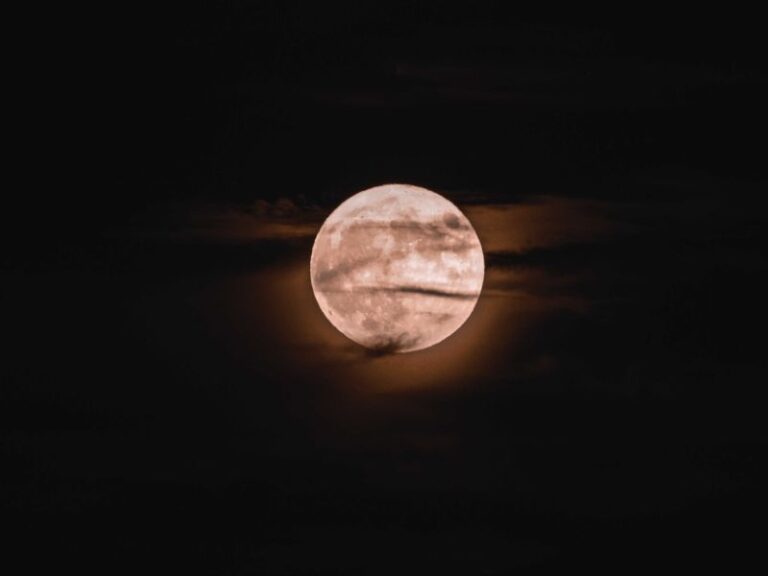
You glance out the window to say goodnight to the Moon…
But tonight, it’s gone.
Not behind a cloud. Not a new moon.
Just gone.
What would happen if the Moon vanished from the sky — just like that?
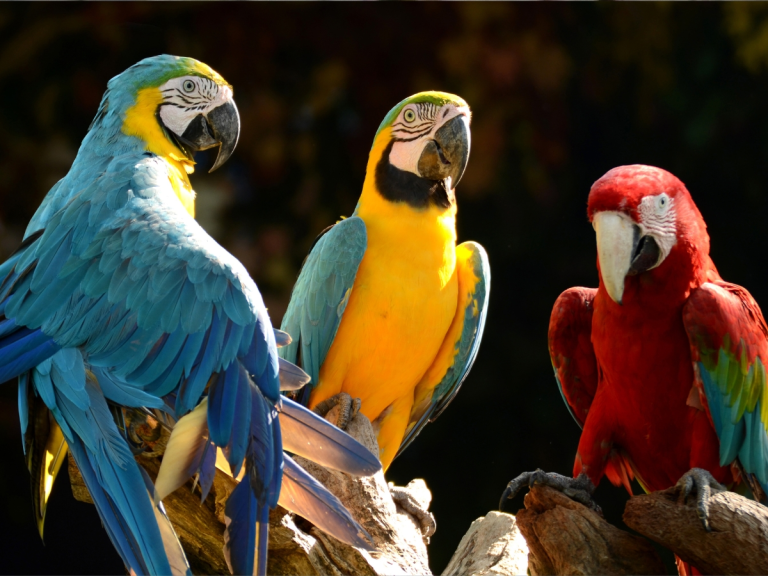
If you’ve ever heard a parrot speak, you’ve probably done a double take. It sounds just like a human, sometimes better than a human.
But parrots don’t have lips. They don’t have vocal cords. They don’t even try to talk like us, they’re just doing what comes naturally.
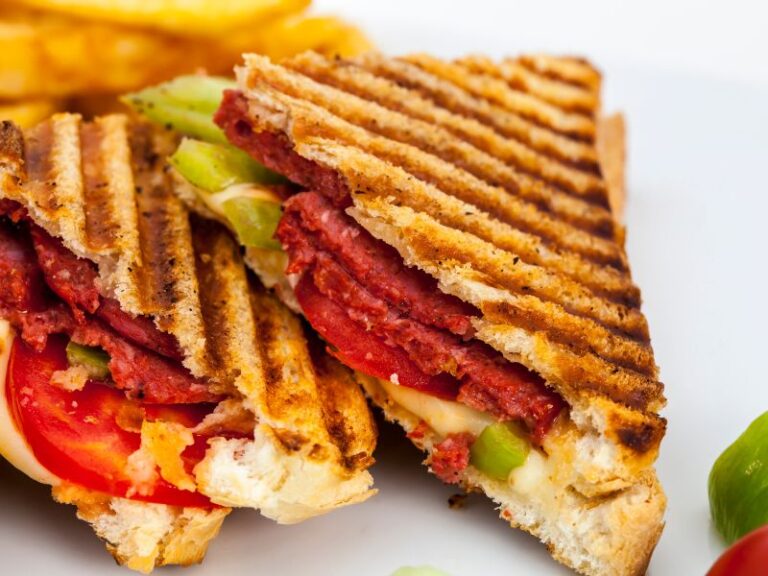
What actually happens to bread in a toaster? Why does it change color? Where does the flavor come from?
And what’s going on in that short moment between “still soft” and “burnt brick”?
The answer lies in a delicious bit of chemistry called the Maillard reaction — one of the tastiest science experiments ever happening right in your kitchen.
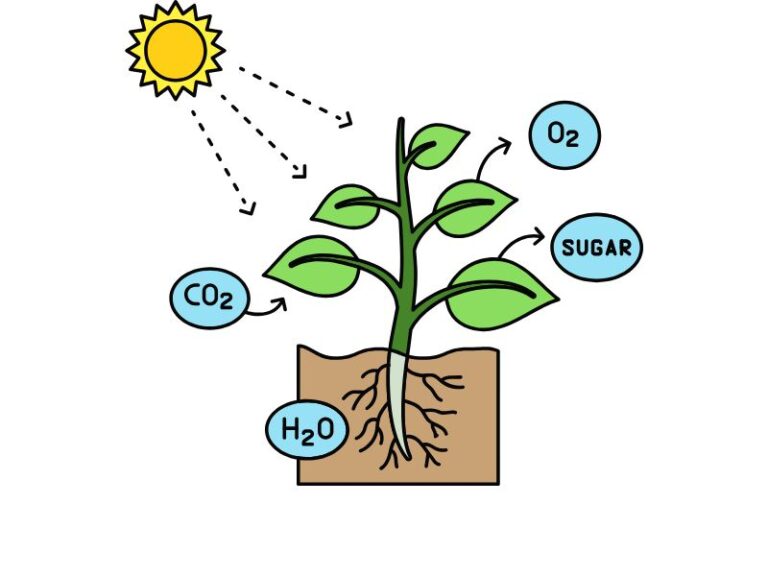
How can a plant eat something you can’t even touch?
They don’t have mouths. They don’t chew. And they also need water and nutrients from the soil, right?
So what’s the truth here? Do plants really eat light — or is something else going on?
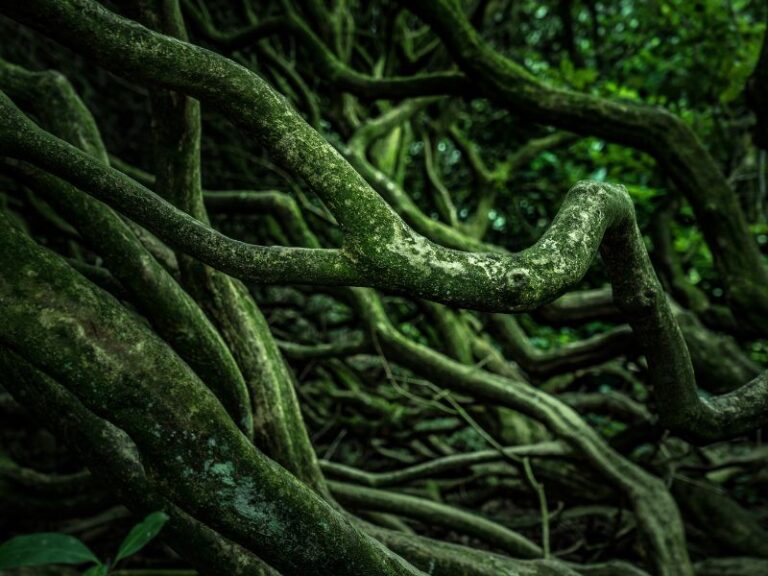
Scientists call it the “Wood Wide Web.”
It’s not made of computers — it’s made of fungi. Tiny threads of fungus, called mycelium, grow underground.
They wrap around and even enter tree roots, forming a network that connects trees to each other.
Think of it like an underground internet — except instead of emails, it sends nutrients, signals, and help.